Red Deer Hearing Aids: Trusted Hearing Care in Alberta
At Red Deer Hearing Aids, we help you reconnect with the sounds that matter most. As a trusted hearing aid clinic, we offer advanced hearing aids, professional hearing tests, expert hearing aid fitting, and dependable hearing aid batteries to support your everyday hearing needs. If you’ve been searching for “hearing aids near me” or “hearing test near me,” our local hearing care team is ready to provide personalized solutions that fit your lifestyle, comfort, and budget.

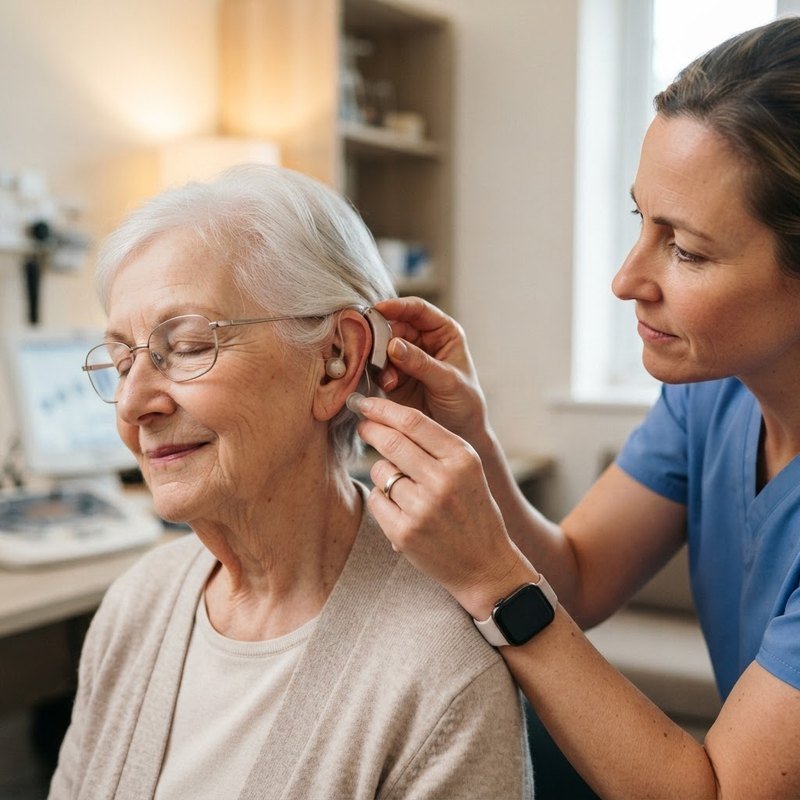
Personalized Hearing Care, Right Here in Red Deer
At Red Deer Hearing Aids, we provide personalized hearing care, modern hearing aids, and ongoing support for people managing hearing loss.
We start by understanding your hearing needs, lifestyle, and sound preferences through a detailed assessment. You can explore discreet, rechargeable, Bluetooth-enabled devices that adapt to changing environments such as conversations, meetings, and outdoor spaces.
Our team supports you from your initial appointment through at-home trials, remote adjustments, repairs, and follow-up care. You can make informed choices and maintain hearing aids that continue to suit your needs.
Hearing care for every step of the journey
From your first hearing test to ongoing support — explore what we offer Red Deer residents below.
Hearing Aid Solutions for Red Deer Residents
We match hearing aids to your hearing test results, daily listening needs, and comfort preferences.
Learn moreWhen to Book a Hearing Assessment
We recommend a hearing assessment when sounds become less clear, conversations take more effort, or tinnitus affects daily comfort.
Learn moreProfessional Guidance Throughout Your Care
We provide hearing care services that connect assessment, device selection, fitting, and follow-up support.
Learn moreSelecting Hearing Aids for Your Lifestyle
We match hearing aids to your hearing loss, listening environments, device preferences, and budget.
Learn moreOngoing Service, Adjustments, and Repairs
We provide hearing care services that keep devices comfortable, clear, and suited to changing hearing needs.
Learn moreFinding a Qualified Hearing Clinic in Red Deer
We recommend choosing a Red Deer clinic based on professional credentials, available care, transparent pricing, and follow-up support.
Learn moreHearing aids built for real, everyday life
From nearly invisible in-ear styles to rechargeable behind-the-ear models, we’ll help you find the right fit and finish.
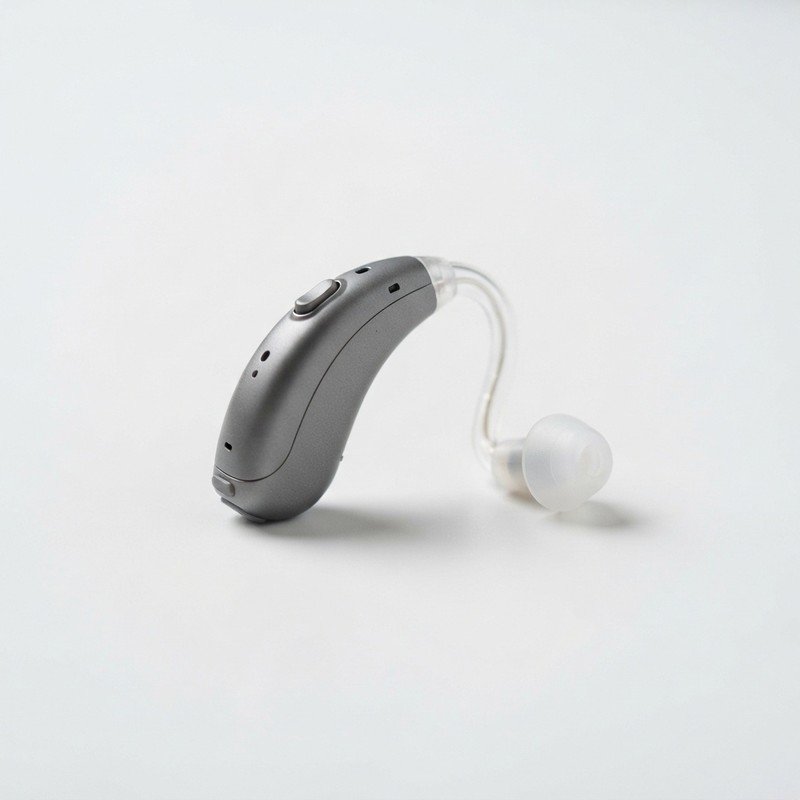
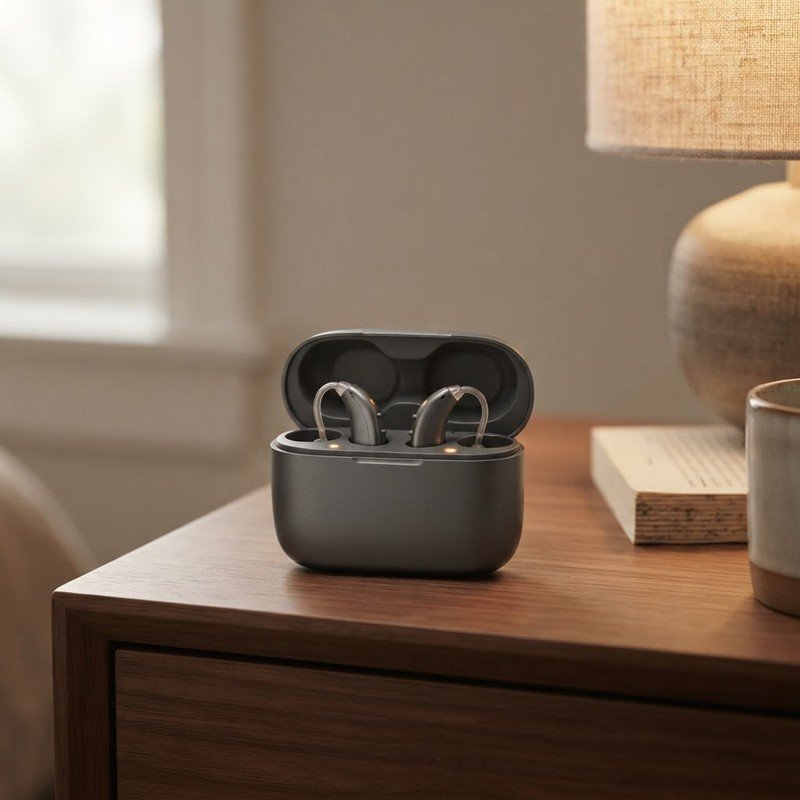
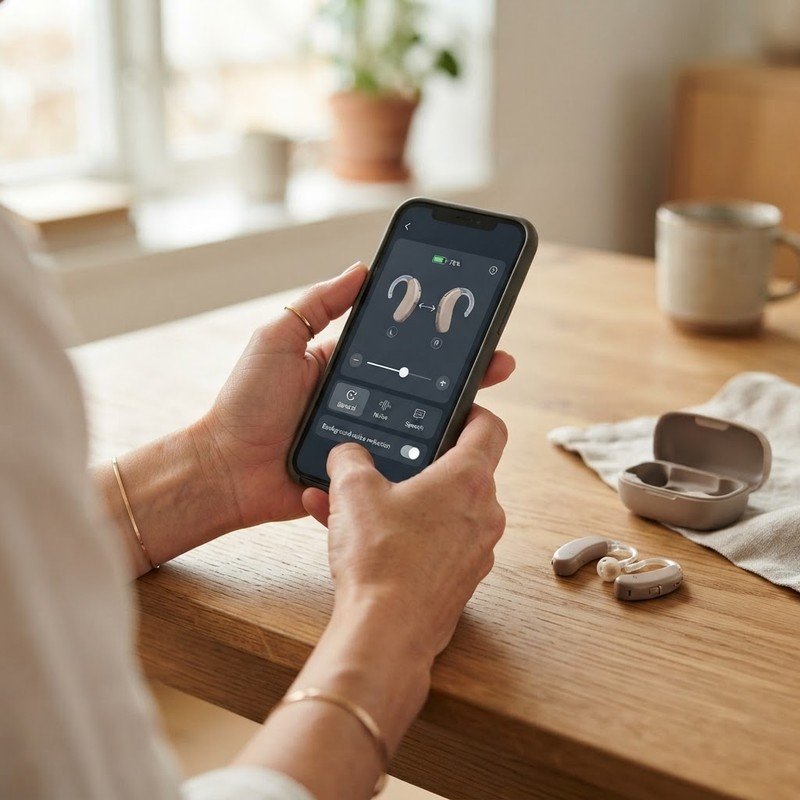
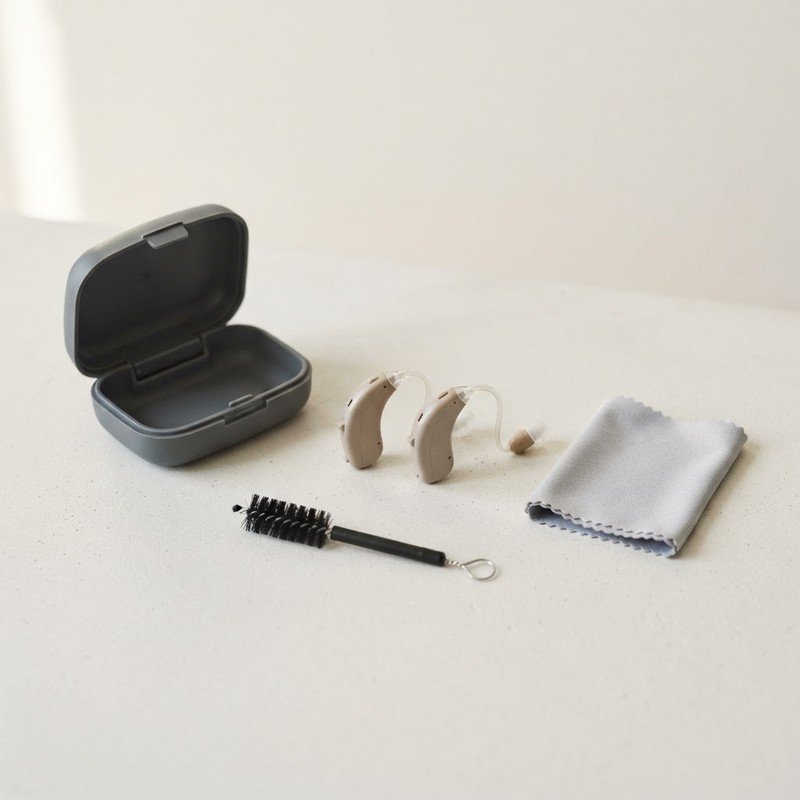
Hearing Aid Solutions for Red Deer Residents
We match hearing aids to your hearing test results, daily listening needs, and comfort preferences. Our audiology services include connected technology, discreet designs, and support for hearing loss in one or both ears.
Digital and Bluetooth-Enabled Devices
Digital hearing aids process sound in real time, helping us tailor amplification for speech, high-pitched sounds, and background noise based on your personalized hearing profile. We consider where you spend time in Red Deer, such as busy restaurants, workplaces, outdoor areas, and family gatherings.
Many models use AI noise adaptation to adjust automatically as your environment changes. This can reduce the need to manually switch programs when moving from a quiet room to a louder setting.
Bluetooth-enabled hearing aids can connect directly with compatible:
- Smartphones and tablets
- TVs and streaming accessories
- Smartwatches and voice assistants
- Phone-call and video-call apps
Our audiologists can make remote adjustments through an app when appropriate, allowing us to fine-tune settings without requiring every change to happen in clinic. Rechargeable models also avoid routine disposable battery changes, and we offer battery recycling or trade-in options for eligible devices.
Styles, Fit, and Comfort Considerations
Hearing aids come in several styles, including behind-the-ear, receiver-in-canal, in-the-ear, and invisible-in-canal devices. The right choice depends on your degree of hearing loss, ear anatomy, dexterity, cosmetic preference, and required features.
Smaller custom devices sit partly or fully inside the ear canal and may be less noticeable. Larger styles can provide longer battery life, more control options, and greater power for more significant hearing loss.
We check physical fit carefully because a secure, comfortable fit affects sound quality and daily wear. During your 30–60 day at-home trial, you can evaluate comfort in your own routines and report issues such as pressure, feedback, or difficulty handling the device.
Solutions for One or Both Ears
We recommend one or two hearing aids based on your audiology assessment and hearing health needs. When hearing loss affects both ears, two devices often support better speech understanding in noise and help you identify where sounds come from.
A single hearing aid may suit people with normal hearing in one ear or hearing loss limited to one side. In some cases, we may discuss specialized options that route sound from the poorer ear to the better-hearing ear.
We program each device independently when you wear two hearing aids. This allows us to account for differences between ears while keeping volume, sound balance, and Bluetooth streaming comfortable.
When to Book a Hearing Assessment
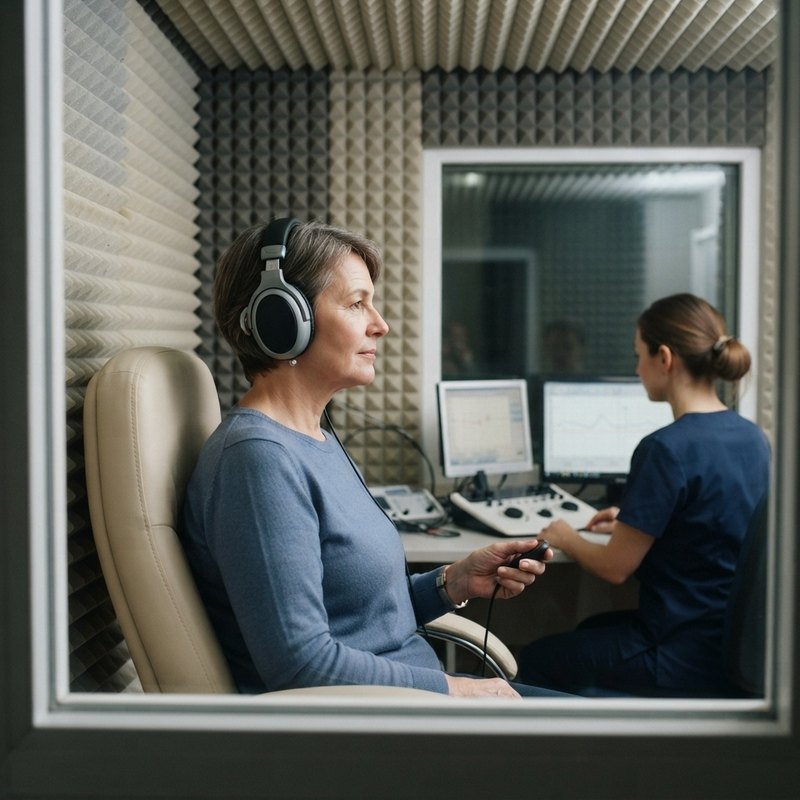
We recommend a hearing assessment when sounds become less clear, conversations take more effort, or tinnitus affects daily comfort. A hearing test gives us the information needed to protect hearing health and discuss suitable next steps.
Common Signs of Hearing Loss
We encourage adults to book a hearing test when they often ask people to repeat themselves, especially in restaurants, meetings, or family gatherings. Difficulty following speech with background noise can appear before people notice problems in quiet rooms.
Other common signs include:
- Turning up the TV, phone, or radio volume beyond what others prefer
- Missing doorbells, alarms, phone notifications, or traffic sounds
- Feeling tired after conversations because listening requires extra concentration
- Hearing speech but finding certain words unclear
- Avoiding social situations because communication feels difficult
Hearing loss can develop gradually, so family members may notice changes first. We use the assessment to build a personalized hearing profile based on measured hearing levels, daily environments, listening preferences, and communication needs.
What a Hearing Test Measures
A hearing assessment measures how quietly we can hear tones across different pitches and how clearly we understand speech. We also review ear health, hearing history, noise exposure, medications, and concerns such as pressure or discomfort.
During hearing tests, we may check:
| Test area | What it helps us identify |
|---|---|
| Pure-tone hearing | Hearing thresholds for low, middle, and high frequencies |
| Speech testing | Ability to understand spoken words at different volumes |
| Middle-ear testing | Possible concerns involving the eardrum or middle ear |
| Otoscopy | Visible earwax, irritation, or other concerns in the ear canal |
Results help us explain whether hearing aids may help and which features fit the person’s routine. For example, we can discuss rechargeable devices, discreet designs, Bluetooth connections, and AI noise adaptation for changing environments.
Tinnitus and Other Hearing Concerns
We recommend an assessment for tinnitus, which may sound like ringing, buzzing, hissing, clicking, or humming in one or both ears. Tinnitus often occurs with hearing loss, but it can also relate to noise exposure, earwax, medication changes, or other hearing health concerns.
We ask when the sound began, whether it changes with movement, and how it affects sleep, focus, and stress. This information supports appropriate guidance and, when needed, referral for medical evaluation.
Seek prompt medical care for sudden hearing loss, new tinnitus in one ear, tinnitus that follows a heartbeat, severe dizziness, ear pain, or drainage. When hearing aids are appropriate, we can adjust settings remotely and support an at-home trial so users can assess comfort and clarity in their usual environments.
Professional Guidance Throughout Your Care
We provide hearing care services that connect assessment, device selection, fitting, and follow-up support. Our audiologists and hearing aid practitioners use your hearing results, daily routines, and comfort feedback to guide each decision.
The Role of an Audiologist
Our audiologists assess how you hear speech, tones, and everyday sound through a detailed hearing evaluation. They discuss concerns such as difficulty following conversations in restaurants, hearing the television, or understanding phone calls, then use the results to identify appropriate hearing care options.
We create a personalized hearing profile that considers more than an audiogram. Your work setting, home environment, sound preferences, dexterity, and experience with technology all affect which features may suit you.
An audiologist can also provide remote appointments when adjustments are needed after your fitting. Through compatible apps, we can fine-tune supported hearing aids without requiring every follow-up visit to take place in our Red Deer clinic.
How Hearing Aid Practitioners Support Clients
Our hearing aid practitioners help clients use and maintain their devices with confidence. They explain insertion, removal, charging, cleaning, app controls, Bluetooth pairing, and practical adjustments for common listening situations.
We help you compare options such as:
- Rechargeable devices and battery-powered models
- Invisible or nearly invisible styles and behind-the-ear designs
- Bluetooth connections for phones, TVs, tablets, and voice assistants
- Hearing aids with automatic noise adaptation for meetings, outdoor spaces, and restaurants
Our practitioners also monitor comfort and sound quality after the initial fitting. If you notice whistling, pressure, unclear speech, or difficulty with specific environments, we document those details and coordinate appropriate changes.
Personalized Recommendations and Fittings
We recommend hearing aids based on your personalized hearing profile rather than a single device category. For example, someone who attends frequent group meetings may need different microphone and noise-management features than someone who mainly wants clearer conversations at home.
During the fitting, we program the devices to your hearing test results and verify that amplified sound remains comfortable. We also review how AI-based sound adaptation responds to changing environments, where available, and set up smart-device connections if you want them.
Our 30–60 day at-home trial gives you time to evaluate hearing aids in the places that matter to you. We use your feedback to refine settings, discuss alternate styles if needed, and support battery recycling or trade-in options for eligible devices.
Selecting Hearing Aids for Your Lifestyle
We match hearing aids to your hearing loss, listening environments, device preferences, and budget. Our Red Deer audiology team uses your hearing test and daily routines to build a personalized hearing profile.

Speech Clarity in Noisy Environments
Restaurants, family gatherings, workplaces, and outdoor events can make speech harder to follow. We assess where background noise affects you most, including whether you struggle with one speaker across a table, group conversations, or voices in a vehicle.
Modern hearing aids can use directional microphones to focus on speech from in front of you while reducing competing sounds. AI noise adaptation can also adjust settings as you move between quieter rooms, busy meetings, and outdoor areas.
We consider features such as:
- Directional speech focus for conversations in noise
- Feedback management to reduce whistling
- Wind-noise reduction for walking or outdoor activities
- Custom programs for frequent settings such as restaurants or work
We can fine-tune these settings during in-person or remote audiologist appointments. A 30–60 day at-home trial lets you test speech clarity in the places where you actually spend time.
Connectivity, Rechargeability, and Controls
Bluetooth hearing aids can stream calls, music, podcasts, and TV audio from compatible phones, tablets, televisions, smartwatches, and voice assistants. We help confirm compatibility with your current devices before you choose a model.
Rechargeable hearing aids suit many people who prefer placing their devices in a charger overnight instead of handling small disposable batteries. We also offer battery recycling or trade-in options for eligible devices to help reduce waste.
Control options should fit your comfort and dexterity. You may use physical buttons, a smartphone app, automatic environmental adjustments, or a combination of these methods.
For discreet wear, we offer invisible or nearly invisible designs. Smaller devices may have fewer onboard controls or shorter battery capacity, so we explain those trade-offs clearly during hearing care appointments.
Budget, Technology, and Long-Term Value
Hearing aid pricing depends on device style, processing technology, connectivity, service, and warranty coverage. We help you compare options based on the situations that matter most rather than paying for features you are unlikely to use.
A higher technology level may be worthwhile when you regularly communicate in noise, attend meetings, or need frequent automatic adjustments. A simpler device can meet your needs when your daily listening environments remain mostly quiet and predictable.
When comparing hearing aids, consider:
- Included follow-up care and adjustment appointments
- Remote adjustment access through an app
- Rechargeable battery and charger costs
- Repair warranty and loss-damage coverage
- Comfort, fit, and expected daily use
Our Red Deer audiology approach includes ongoing fitting support, so we can adjust your hearing aids as your hearing needs or lifestyle changes.
Ongoing Service, Adjustments, and Repairs
We provide hearing care services that keep devices comfortable, clear, and suited to changing hearing needs. Our Red Deer hearing clinics support fine-tuning, hearing aid repair, routine maintenance, and earwax removal assessments.
Follow-Up Care and Fine-Tuning
We schedule follow-up appointments after fitting to confirm that your hearing aids match your personalized hearing profile. We review speech clarity, comfort, volume tolerance, and performance in the places you use most, such as restaurants, meetings, vehicles, and at home.
During an appointment, we can adjust programs, directional microphones, feedback control, and AI noise-adaptation settings. We also check Bluetooth connections to phones, TVs, tablets, and other paired devices.
Remote audiologist adjustments may be available for compatible hearing aids. Through the manufacturer’s app, we can make suitable changes without requiring every adjustment to occur in person.
We also review practical concerns, including charging routines, cleaning steps, and fit. If your hearing, lifestyle, or sound preferences have changed, we update device settings rather than relying on the original fitting alone.

Hearing Aid Repair and Maintenance
We inspect hearing aids when sound becomes weak, distorted, intermittent, or absent. Common causes include blocked wax guards, moisture, worn receivers, damaged tubing, depleted batteries, charging faults, or microphone blockage.
Our hearing aid repair process begins with an in-clinic assessment. We identify issues that can be resolved during the visit and explain when a manufacturer repair is required.
| Maintenance check | Why it matters |
|---|---|
| Receiver and microphone inspection | Helps identify reduced sound or intermittent performance |
| Wax guard and dome replacement | Keeps sound ports open and supports hygiene |
| Charger and battery testing | Confirms reliable daily power for rechargeable devices |
| Bluetooth connection review | Restores streaming and app control where applicable |
We recommend bringing both hearing aids, the charger, and any relevant accessories to repair appointments. For rechargeable models, we can also discuss battery recycling or trade-in options when a device reaches the end of its useful service life.
Earwax Removal and Device Performance
Earwax can reduce hearing aid performance by blocking the receiver, wax guard, or ear canal. It can also cause a plugged sensation, whistling, discomfort, or reduced benefit even when the device itself is working correctly.
We examine the ear canal before making major programming changes. If wax affects hearing health or device performance, we explain the appropriate earwax removal option based on what we observe and the services available at our hearing clinics.
Avoid inserting cotton swabs, hairpins, or other objects into the ear canal. These items can push wax deeper, irritate the skin, or damage a hearing aid if used near the device.
After earwax removal, we recheck hearing aid fit and sound quality. We can replace blocked wax guards and show you how to clean domes, microphones, and charging contacts safely between visits.
Finding a Qualified Hearing Clinic in Red Deer
We recommend choosing a Red Deer clinic based on professional credentials, available care, transparent pricing, and follow-up support. A proper comparison also considers trial periods, remote adjustments, and device features that suit daily life.
Credentials, Experience, and Scope of Services
We encourage patients to confirm that an audiologist is registered with the Alberta College of Speech-Language Pathologists and Audiologists or that a hearing aid practitioner holds current registration with the appropriate Alberta regulator. These professionals can assess hearing, recommend suitable devices, and provide ongoing fittings.
A qualified Red Deer audiology clinic should offer more than a basic hearing screen. Ask whether it provides diagnostic hearing tests, earwax management where appropriate, tinnitus guidance, hearing-aid verification, repairs, and scheduled follow-up appointments.
At Red Deer Hearing Aids, we build a personalized hearing profile using test results, listening preferences, and the environments patients use most. This helps us recommend options for restaurants, meetings, outdoor activities, phone calls, and television listening.
We also help patients evaluate practical features, including:
- Rechargeable batteries and recycling or trade-in options
- Bluetooth connections for phones, TVs, tablets, and smartwatches
- Discreet invisible or nearly invisible styles
- AI-based adjustments for changing noise levels
- Remote audiologist adjustments through compatible apps
Questions to Ask Before Booking
We recommend asking clear questions before scheduling an appointment. The answers can show whether a clinic explains options plainly and supports patients after the initial fitting.
Ask about the assessment itself: Who performs the hearing test, how long does it take, and will we receive a copy of the audiogram? A full appointment should include discussion of hearing concerns, medical history, communication needs, and daily listening environments.
Patients should also ask about device selection and costs. Confirm whether quoted prices include fitting appointments, warranty coverage, loss or damage protection, batteries or chargers, maintenance, and future programming adjustments.
Useful questions include:
- Q.Do you offer a 30–60 day at-home hearing aid trial?
- Q.Can we return or exchange devices, and what fees apply?
- Q.Are remote adjustments available after the fitting?
- Q.How often should we expect follow-up visits?
- Q.Do you work with Alberta benefits, private insurance, or Veterans Affairs coverage?
We also recommend asking how the clinic verifies hearing-aid performance. Real-ear measurement and patient feedback help ensure the devices match the prescribed amplification needs.
Comparing Local Hearing Care Providers
We suggest comparing Red Deer hearing clinics using the same criteria rather than choosing solely by an advertised device price. Local providers can differ in professional staffing, brands carried, appointment availability, and aftercare policies.
Create a simple comparison list before booking. Note whether each clinic offers a complete hearing assessment, multiple hearing-aid styles, transparent trial terms, and access to adjustments after purchase.
| Comparison point | What we recommend checking |
|---|---|
| Professional care | Current Alberta registration and relevant clinical experience |
| Hearing aid selection | Several styles, including rechargeable and discreet options |
| Trial policy | At-home trial length, return conditions, and exchange fees |
| Follow-up support | Included appointments, cleanings, repairs, and remote programming |
| Technology | Bluetooth streaming, phone compatibility, and noise adaptation |
| Total cost | Device price plus warranty, charger, service, and replacement coverage |
We recommend giving priority to clinics that explain both the benefits and limitations of each device. A hearing aid should fit the patient’s hearing profile, comfort needs, communication goals, and budget—not just the clinic’s available inventory.
Taking the Next Step Toward Better Hearing
We use a detailed hearing assessment to identify the sounds that cause difficulty and match devices to your daily routines. Our audiologists also provide ongoing adjustments, support, and practical options for hearing care in Red Deer.

Preparing for Your Appointment
Bring a list of situations where hearing feels difficult, such as family dinners, phone calls, meetings, restaurants, or watching TV. Include details about ringing in your ears, dizziness, ear discomfort, or changes you have noticed in one or both ears.
We review your health and hearing history, examine your ears, and complete a hearing assessment in a controlled setting. If you use headphones, take medications, or have worked around loud equipment, tell us. These details help us build your Personalized Hearing Profile.
Consider bringing a family member or trusted friend. They can describe communication changes they have observed and help you remember device options, including discreet designs, rechargeable hearing aids, and Bluetooth connections for phones or television.
Building a Long-Term Hearing Care Plan
Our audiologists recommend hearing aids based on your test results, listening needs, comfort preferences, and budget. We can program features such as AI noise adaptation for restaurants, outdoor settings, meetings, and phone calls.
You can use an at-home trial period of 30–60 days to evaluate hearing aids in the places that matter most. During that time, note sound quality, fit, speech clarity, and how easily the devices connect with your phone, tablet, TV, or smartwatch.
We schedule follow-up care to adjust settings as your needs change. Remote audiologist adjustments through an app can reduce unnecessary travel across Red Deer, while regular visits allow us to check fit, clean devices, and review battery recycling or trade-in options for rechargeable models.
What to expect when you visit us
Book your visit
Call or send a message and we’ll find a time that works for your schedule.
Get a full hearing test
A thorough, comfortable assessment to understand your hearing profile.
Review your options together
We’ll walk through devices and next steps in plain language — no jargon, no pressure.
Ongoing support
Fittings, adjustments, and check-ins to keep things working well long after day one.
What Red Deer patients are saying
These are placeholder reviews for layout purposes — swap in real Red Deer patient testimonials before launch.
“I put off getting my hearing checked for years. The team walked me through everything in plain language and I finally feel like I’m part of the conversation again — not just nodding along.”
— Margaret R., Red Deer
“No pressure at all during my fitting. They took the time to explain my options and helped me find something that actually fit my budget and my lifestyle.”
— David T., Red Deer
“What I appreciate most is that the support didn’t stop after I bought my hearing aids. They’ve adjusted my settings twice since then, no questions asked.”
— Sandra L., Red Deer