Hearing Aid Solutions for Red Deer Residents
Modern hearing aids matched to your hearing test results, lifestyle, and comfort preferences.
Modern hearing aids matched to your hearing test results, lifestyle, and comfort preferences.
We match hearing aids to your hearing test results, daily listening needs, and comfort preferences. Our audiology services include connected technology, discreet designs, and support for hearing loss in one or both ears.
Digital hearing aids process sound in real time, helping us tailor amplification for speech, high-pitched sounds, and background noise based on your personalized hearing profile. We consider where you spend time in Red Deer, such as busy restaurants, workplaces, outdoor areas, and family gatherings.
Many models use AI noise adaptation to adjust automatically as your environment changes. This can reduce the need to manually switch programs when moving from a quiet room to a louder setting.
Bluetooth-enabled hearing aids can connect directly with compatible:
Our audiologists can make remote adjustments through an app when appropriate, allowing us to fine-tune settings without requiring every change to happen in clinic. Rechargeable models also avoid routine disposable battery changes, and we offer battery recycling or trade-in options for eligible devices.
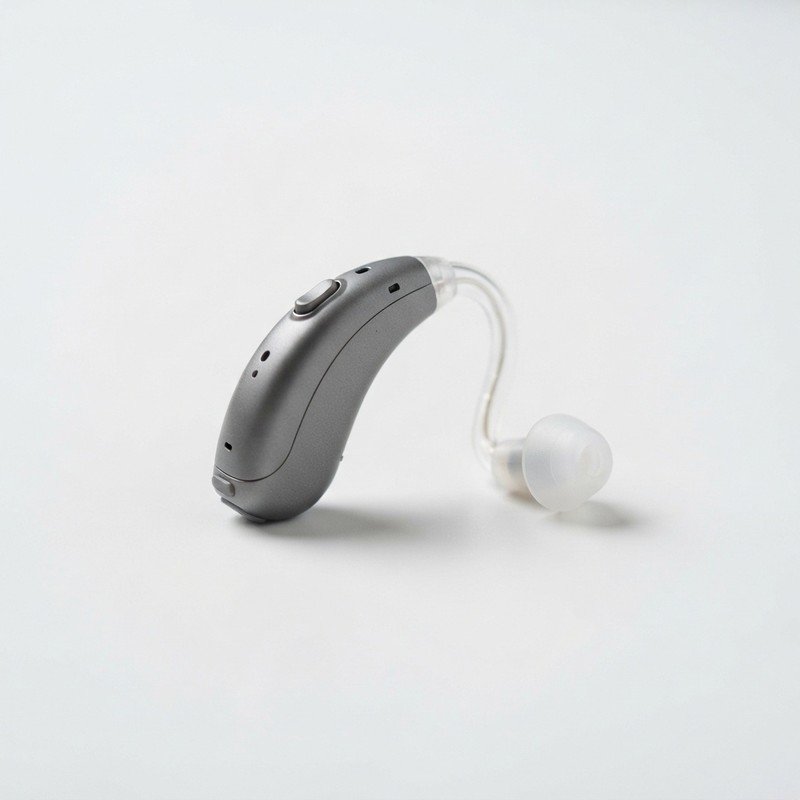
Hearing aids come in several styles, including behind-the-ear, receiver-in-canal, in-the-ear, and invisible-in-canal devices. The right choice depends on your degree of hearing loss, ear anatomy, dexterity, cosmetic preference, and required features.
Smaller custom devices sit partly or fully inside the ear canal and may be less noticeable. Larger styles can provide longer battery life, more control options, and greater power for more significant hearing loss.
We check physical fit carefully because a secure, comfortable fit affects sound quality and daily wear. During your 30–60 day at-home trial, you can evaluate comfort in your own routines and report issues such as pressure, feedback, or difficulty handling the device.
We recommend one or two hearing aids based on your audiology assessment and hearing health needs. When hearing loss affects both ears, two devices often support better speech understanding in noise and help you identify where sounds come from.
A single hearing aid may suit people with normal hearing in one ear or hearing loss limited to one side. In some cases, we may discuss specialized options that route sound from the poorer ear to the better-hearing ear.
We program each device independently when you wear two hearing aids. This allows us to account for differences between ears while keeping volume, sound balance, and Bluetooth streaming comfortable.